Anime → Real Japan
You've seen it in Naruto. Here's the actual text it came from.
Japanese creators have always helped themselves from their own tradition. A mudra here, a fox spirit there, a dance that used to be performed for the kami. For a Japanese viewer much of this is background noise, something you grow up with. For everyone else it can be the first glimpse of a very old world.
In this section I take one series at a time and ask a simple question: what did the author actually use, and what does it mean in Japan? Sometimes the answer is surprisingly close to the source. Sometimes the anime version has very little left in common with it, and that's fine too, because it's fiction. Every article ends where the tradition still lives today, in temples, shrines and mountains you can actually visit.
One note so nobody gets the wrong idea: this site isn't connected to any of the series, studios or publishers. I'm a Japanologist who likes good stories and the real things behind them.
From the screen to the source
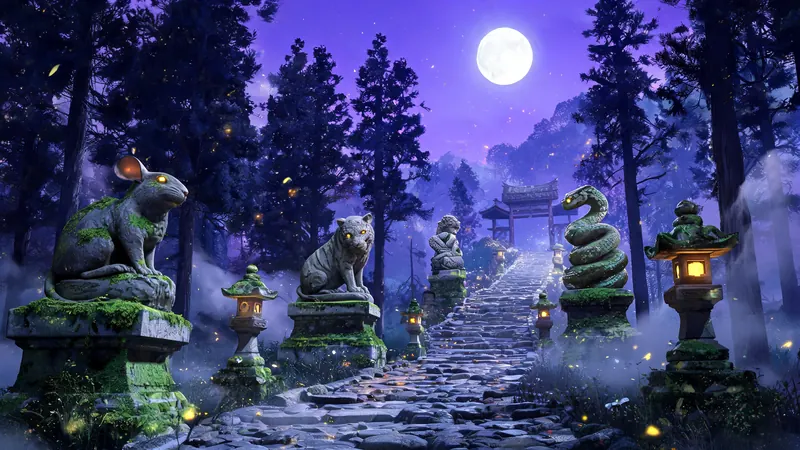
Are Naruto Hand Signs Real? The Kuji-in Behind the Jutsu
Naruto's twelve hand signs are named after the Chinese zodiac. The real Japanese tradition has nine seals, the Kuji-in. A Japanologist explains what's invented, what's real, and the Edo-period legend hiding in the cast.
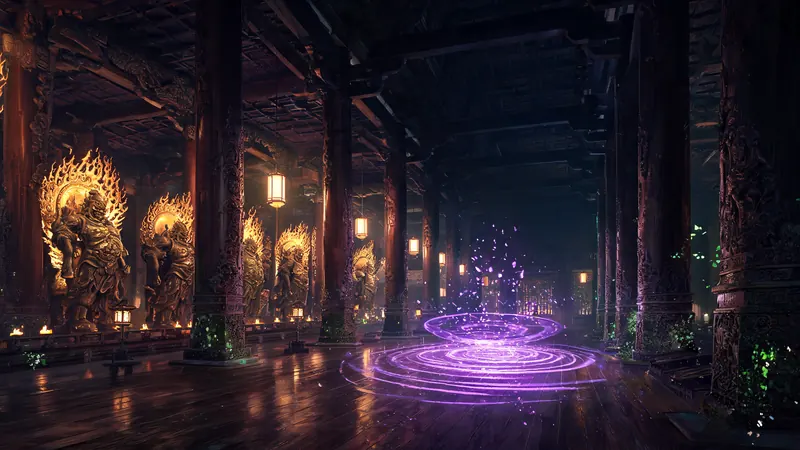
Jujutsu Kaisen's Domain Expansion Hand Signs and the Real Mudras Behind Them
Gojo, Sukuna, Megumi and Jogo: fans link the Domain Expansion hand signs in Jujutsu Kaisen to real mudras of Japanese esoteric Buddhism. A Japanologist explains Taishakuten, Enmaten, the Medicine Buddha and the real Ryōmen Sukuna.
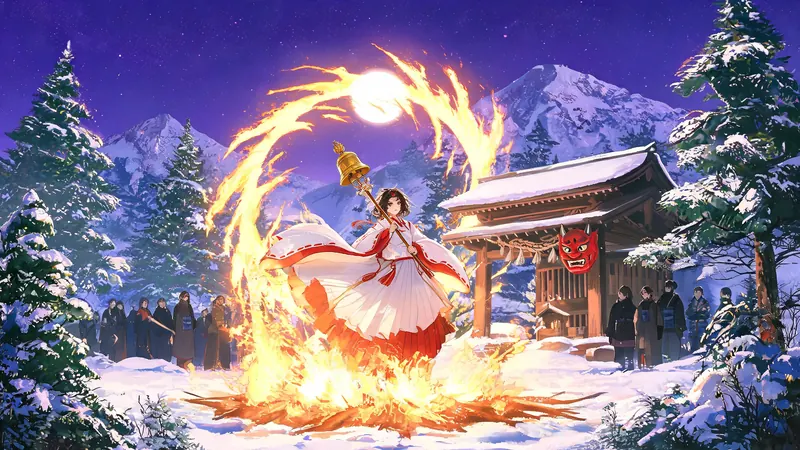
Demon Slayer's Real Japan: Hinokami Kagura, Hanafuda Earrings and Oni Lore
The real Japan behind Demon Slayer: kagura dances for the kami, the hearth kami behind the name Kamado, hanafuda cards, why oni have horns and tiger-skin loincloths, and the real sword that is said to have cut a demon. By Dr. Mark Hosak.
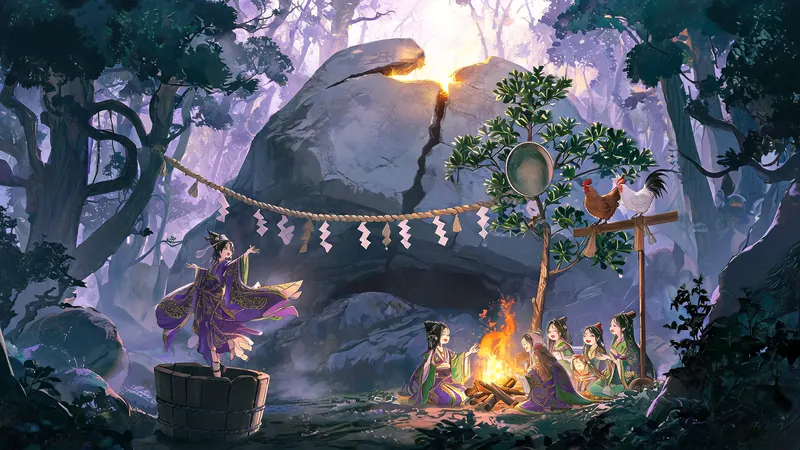
Amaterasu and Susanoo: The Real Kami Behind Naruto's Most Famous Jutsu
The real Amaterasu, Tsukuyomi and Susanoo from the Kojiki and Nihon Shoki: the birth of the three kami, the sun hiding in the rock cave, Susanoo and the eight-headed serpent, the sword Kusanagi, and the Totsuka sword and Yata mirror in Naruto. By Dr. Mark Hosak.
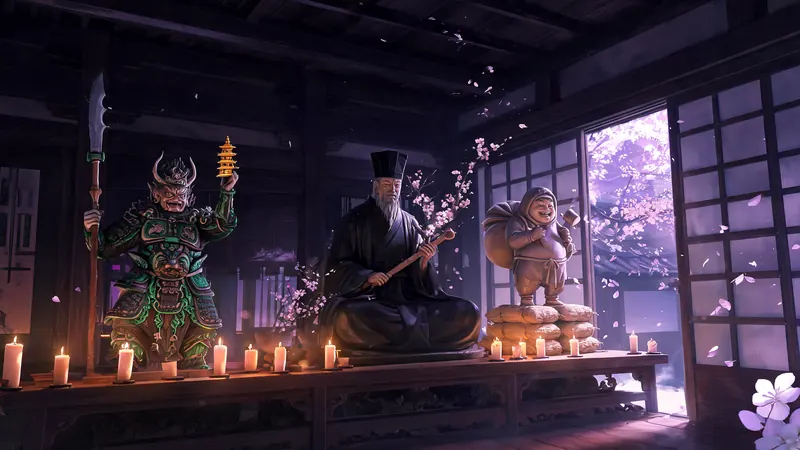
Noragami's Gods Explained: Yato, Bishamonten and Tenjin in Real Japanese Belief
The real figures behind Noragami: why a forgotten kami fades, the five-yen offering, Bishamonten the armored guardian of the north, Tenjin the scholar who became a kami, Ebisu and Daikokuten among the seven beings of good fortune, and the god of poverty.
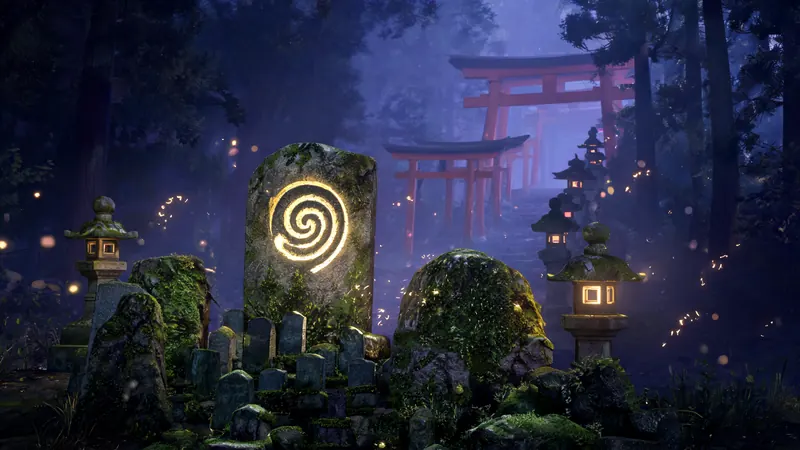
The Spiral in the Kanji for Kami, and the Seal on Naruto's Belly
Why is there a spiral on Naruto's belly? A Japanologist looks at the Eight Trigrams Seal, the old way of writing 神 (kami) with a spiral on stone steles at Fushimi Inari, and why a spiral alone isn't enough to hold a power steady.
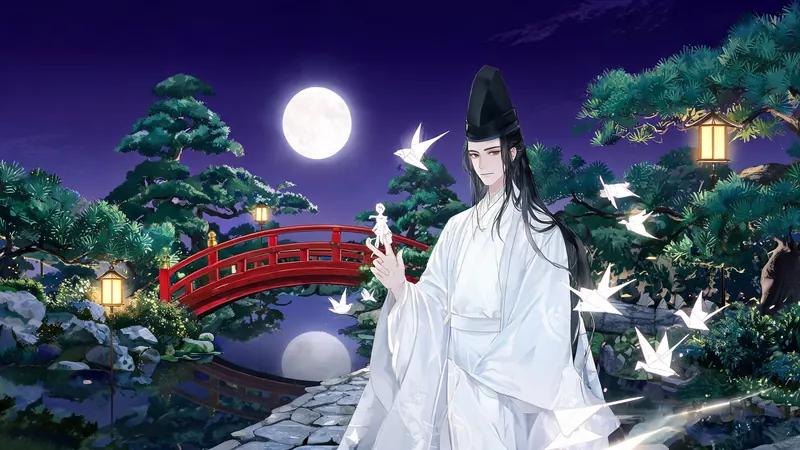
Onmyōdō and Abe no Seimei: Japan's Real Yin-Yang Masters
What onmyōdō really was: the yin-yang bureau of the Heian court, the historical Abe no Seimei (921–1005), shikigami, the pentagram of Seimei Shrine, and the fox mother Kuzunoha. By Japanologist Dr. Mark Hosak.
The Energy Between Your Hands
If you'd like to hear when the next "anime to real Japan" article is out, leave your email. You'll get a short practice from the Japanese tradition as a free PDF right away.
Free. Unsubscribe anytime. Privacy policy