The real Japan behind the anime
You've seen it on screen. Here's where it actually comes from: the texts, the temples, the mountains and the people who still practice it.
Latest from the grimoire
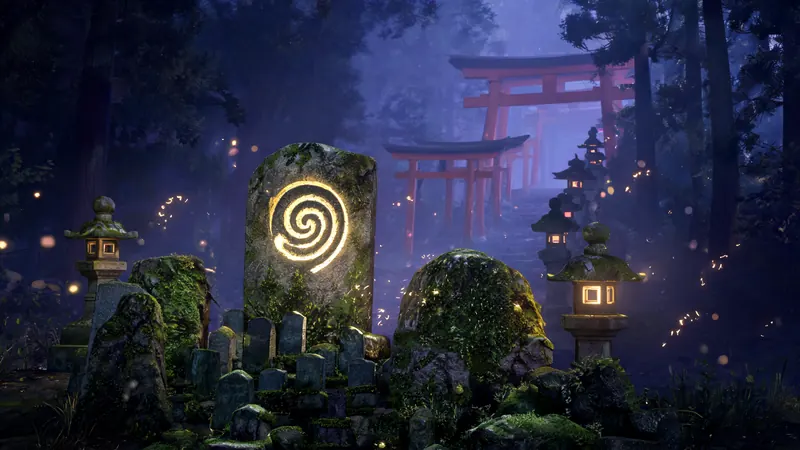
The Spiral in the Kanji for Kami, and the Seal on Naruto's Belly
Why is there a spiral on Naruto's belly? A Japanologist looks at the Eight Trigrams Seal, the old way of writing 神 (kami) with a spiral on stone steles at Fushimi Inari, and why a spiral alone isn't enough to hold a power steady.

Kuji Kiri: The Nine Hand Seals and Where They Really Come From
Kuji Kiri and Kuji-in explained by a Japanologist: the nine characters 臨兵闘者皆陣列在前, their Chinese origins, how Japan turned them into its own system, and where the nine seals still live today.
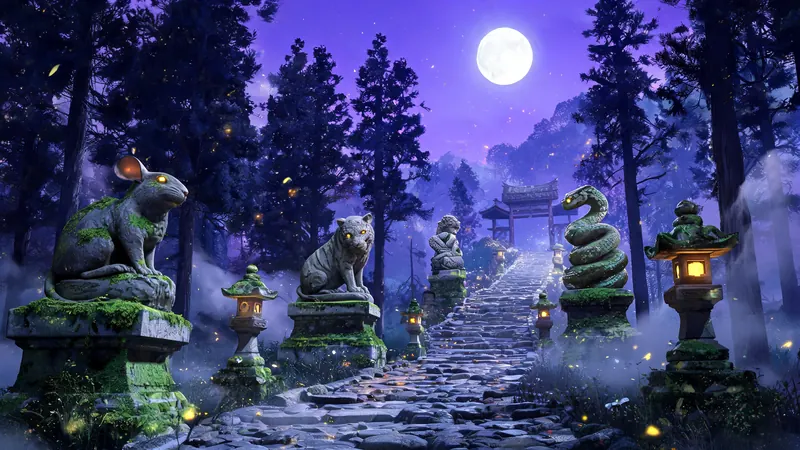
Are Naruto Hand Signs Real? The Kuji-in Behind the Jutsu
Naruto's twelve hand signs are named after the Chinese zodiac. The real Japanese tradition has nine seals, the Kuji-in. A Japanologist explains what's invented, what's real, and the Edo-period legend hiding in the cast.
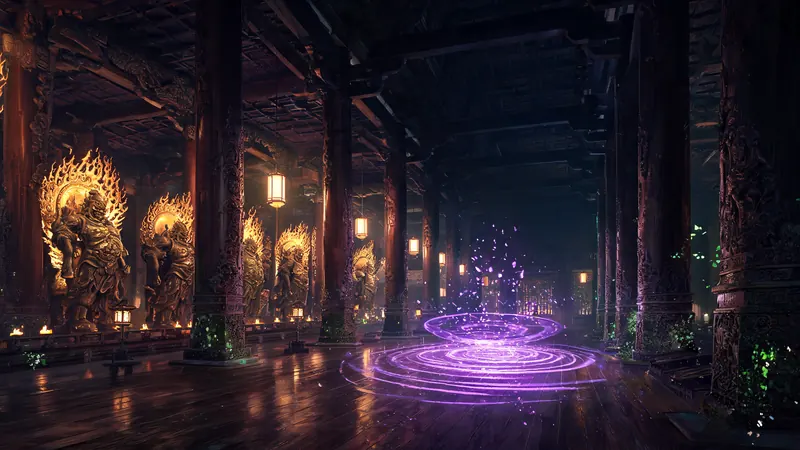
Jujutsu Kaisen's Domain Expansion Hand Signs and the Real Mudras Behind Them
Gojo, Sukuna, Megumi and Jogo: fans link the Domain Expansion hand signs in Jujutsu Kaisen to real mudras of Japanese esoteric Buddhism. A Japanologist explains Taishakuten, Enmaten, the Medicine Buddha and the real Ryōmen Sukuna.
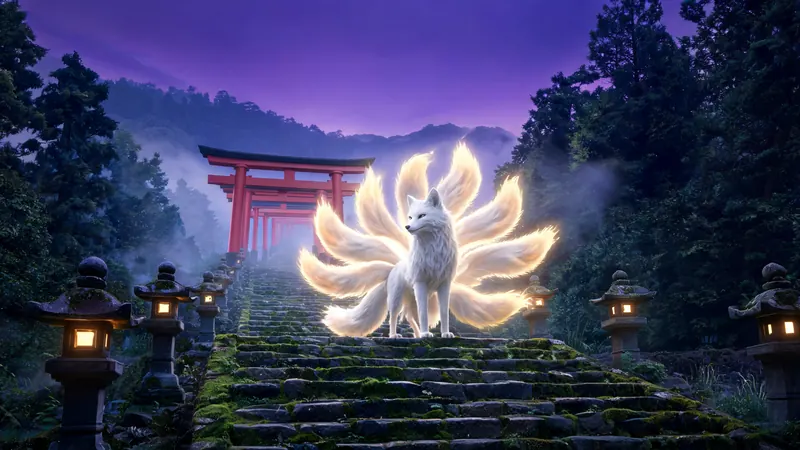
The Nine-Tailed Fox: Kitsune in Japanese Folklore and the Inari Faith
Kyūbi no kitsune, the nine-tailed fox: its Chinese origins, the legend of Tamamo-no-Mae and the Killing Stone of Nasu, and why the foxes at Inari shrines are messengers, not gods. By Japanologist Dr. Mark Hosak.
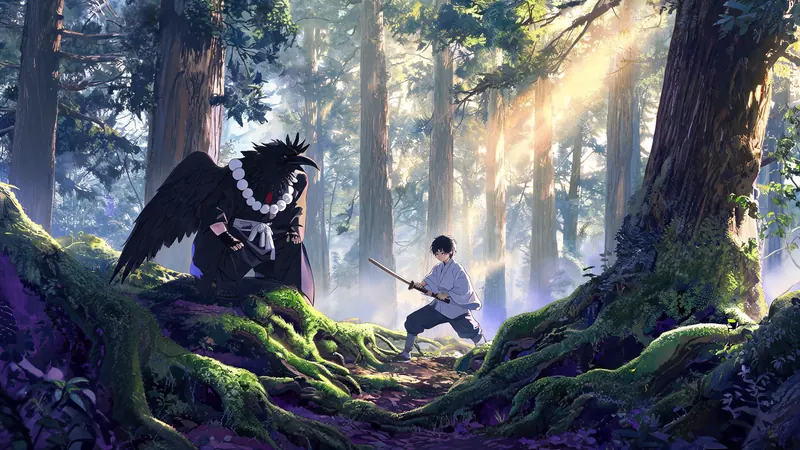
Tengu: Mountain Spirits, Yamabushi and the Masters of Mount Kurama
Tengu explained by a Japanologist: from the 'heavenly dog' of the Nihon Shoki to the crow tengu and the long-nosed daitengu, Sōjōbō of Mount Kurama, the young Yoshitsune, and why tengu dress like yamabushi.
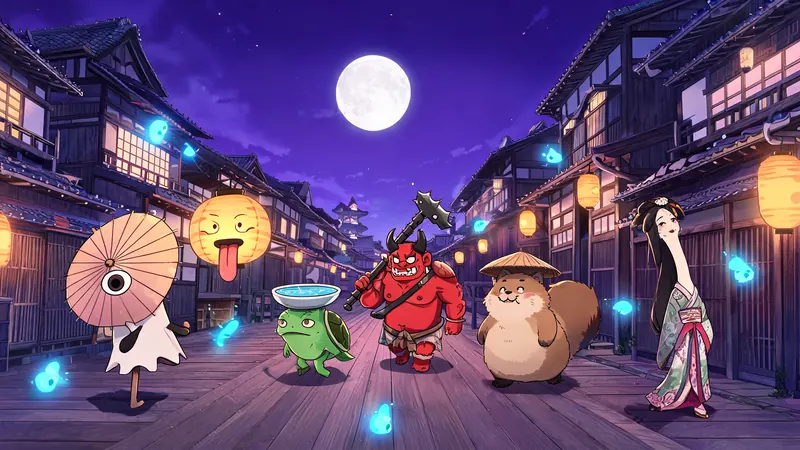
Yokai List: 24 Japanese Spirits and What They Really Mean
A Japanologist's yokai list: kitsune, tanuki, kappa, tengu, oni, yuki-onna, rokurokubi, tsukumogami and more. Where each Japanese spirit comes from, what it meant, and where you can still find it today.
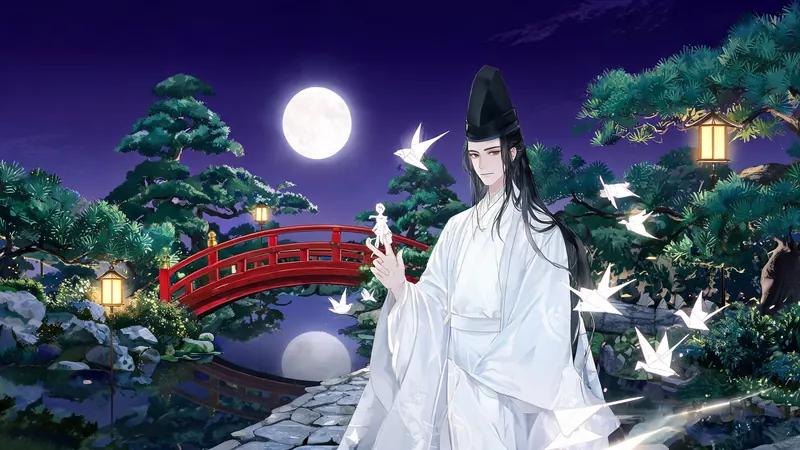
Onmyōdō and Abe no Seimei: Japan's Real Yin-Yang Masters
What onmyōdō really was: the yin-yang bureau of the Heian court, the historical Abe no Seimei (921–1005), shikigami, the pentagram of Seimei Shrine, and the fox mother Kuzunoha. By Japanologist Dr. Mark Hosak.
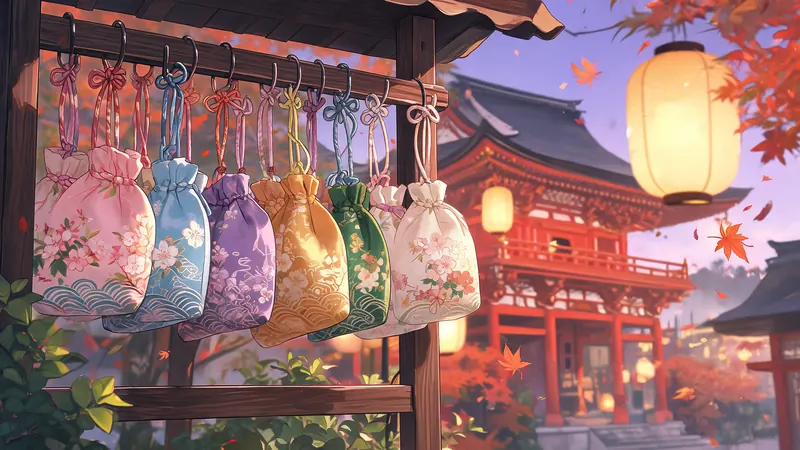
Omamori: How Japanese Amulets Work and How to Treat Them
What an omamori is, what's inside the pouch, the different kinds (traffic safety, exams, love, protection), the birth-year buddhas of Shingon temples, and how to treat and return an omamori. By Japanologist Dr. Mark Hosak.
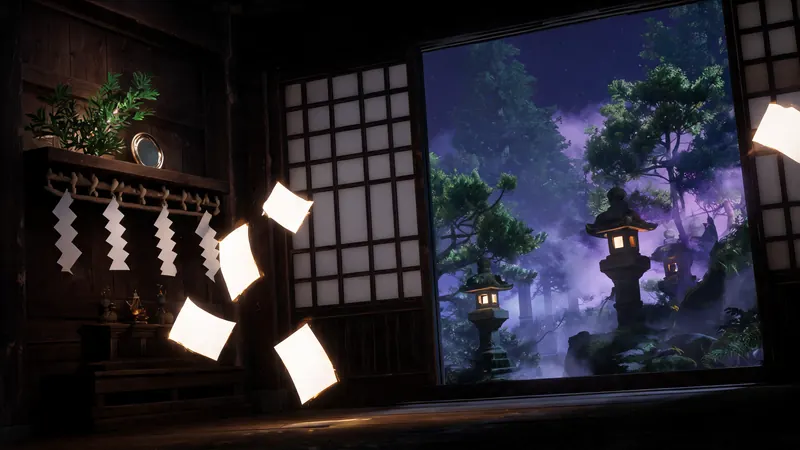
Ofuda and Japanese Talismans: Paper Protection from Shrines and Temples
What ofuda are, how Japanese paper talismans developed from Daoist charms, the crow talismans of Kumano, the Sominsōrai and Tsuno Daishi charms, and how ofuda are kept and returned. By Japanologist Dr. Mark Hosak.
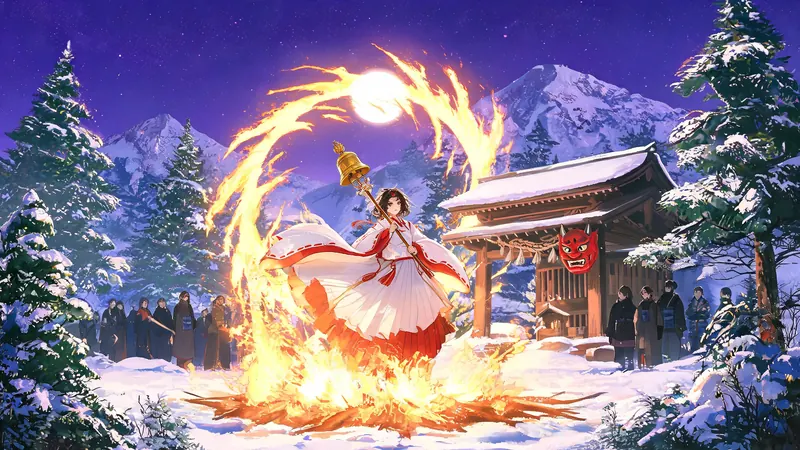
Demon Slayer's Real Japan: Hinokami Kagura, Hanafuda Earrings and Oni Lore
The real Japan behind Demon Slayer: kagura dances for the kami, the hearth kami behind the name Kamado, hanafuda cards, why oni have horns and tiger-skin loincloths, and the real sword that is said to have cut a demon. By Dr. Mark Hosak.

Fushimi Inari: The Spiritual Meaning Behind 10,000 Torii
Fushimi Inari Taisha beyond the travel guide: the founding legend of 711, why there are about 10,000 torii and who donates them, the fox messengers, the stone mounds on Mount Inari and the shrine's link to Kūkai's Tō-ji. By Dr. Mark Hosak.
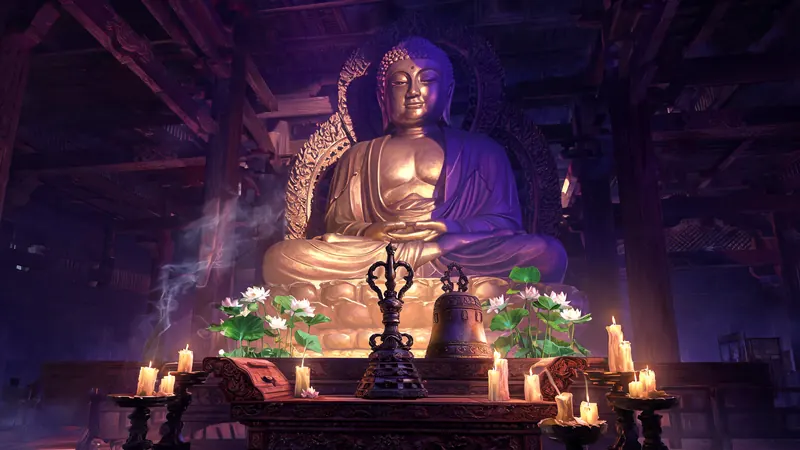
Mudras in Japanese Esoteric Buddhism: The Hand Seals Behind Kuji-in
What mudras mean in Japanese esoteric Buddhism (mikkyō): the 'in' or hand seal, the five elements in the fingers, how to read the hands of buddha statues in Nara, Kamakura and Kyoto, and how the mudras connect to Kuji-in. By Dr. Mark Hosak.
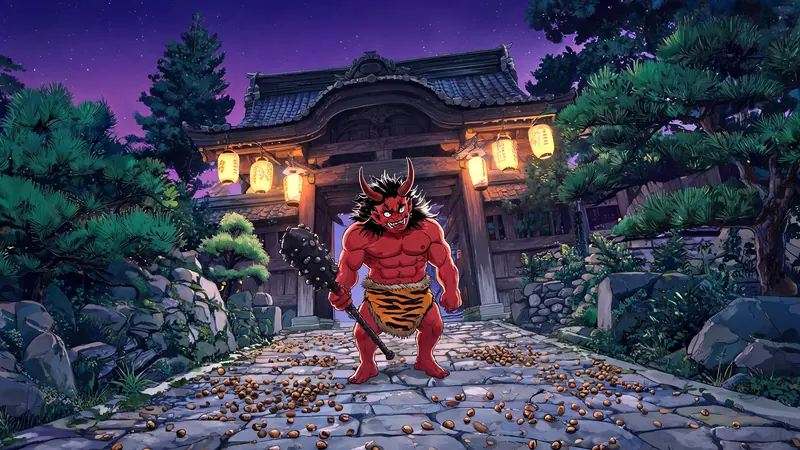
Oni: Japan's Demons from Folklore to Setsubun
Oni explained by a Japanologist: the 'hidden ones' of early Japan, the demon gate, Shuten-dōji and Ibaraki-dōji, the oni of Momotarō and Kibitsu Shrine, Hannya masks, Namahage, and the temple that shouts 'demons in' at Setsubun.
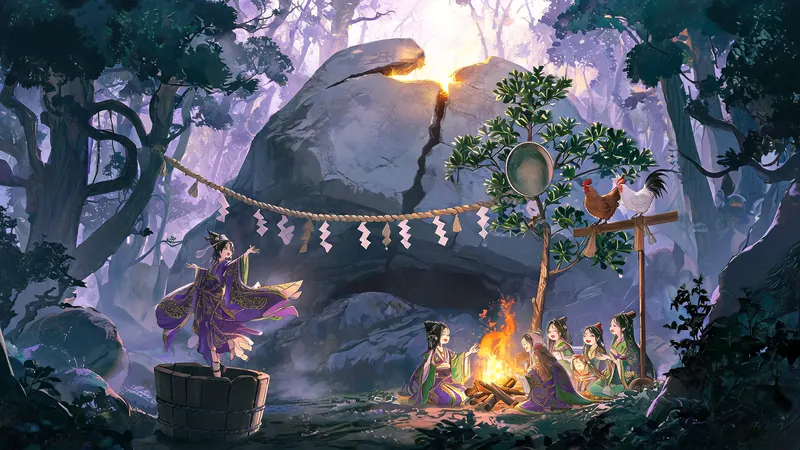
Amaterasu and Susanoo: The Real Kami Behind Naruto's Most Famous Jutsu
The real Amaterasu, Tsukuyomi and Susanoo from the Kojiki and Nihon Shoki: the birth of the three kami, the sun hiding in the rock cave, Susanoo and the eight-headed serpent, the sword Kusanagi, and the Totsuka sword and Yata mirror in Naruto. By Dr. Mark Hosak.

Japanese Mythology: A Beginner's Map of Gods, Spirits and Sacred Stories
A beginner's guide to Japanese mythology: the Kojiki and Nihon Shoki, Izanagi and Izanami, Amaterasu and Susanoo, the Izumo myths and the white hare, the descent of Ninigi, the eight million kami, and how kami and buddhas came together. By Dr. Mark Hosak.

Japanese Ghost Stories and Urban Legends, and What They Reveal
Yūrei, kaidan and urban legends of Japan: why Japanese ghosts wear white and have no feet, the great classic ghost stories of Oiwa, Okiku and the Peony Lantern, vengeful spirits who became kami, and modern legends from Kuchisake-onna to Kisaragi Station.

Misogi: The Real Shinto Purification Behind the "Misogi Challenge"
What misogi really is: the myth of Izanagi's purification, kegare and harae, misogi under waterfalls and in the sea, the everyday version at every shrine, and how the 'misogi challenge' borrowed the word. By Dr. Mark Hosak.

Shugendō and the Yamabushi: Japan's Mountain Mystics
Shugendō explained by a Japanologist and practitioner: En no Gyōja, the mountains as living mandalas, the yamabushi's clothing and tools, Ōmine, Kumano and Dewa Sanzan, the Meiji ban, and Shugendō's link to Kuji Kiri. By Dr. Mark Hosak.

Mount Kurama: Tengu, Sōjōbō and the Mountain Behind Reiki
Mount Kurama north of Kyoto: why it's really a range, the founding visions of Kurama-dera, the three spirits Senju Kannon, Bishamonten and Maōson, Sōjōbō and Yoshitsune, Mikao Usui's 21 days on the mountain, and the Kurama Fire Festival. By Dr. Mark Hosak.
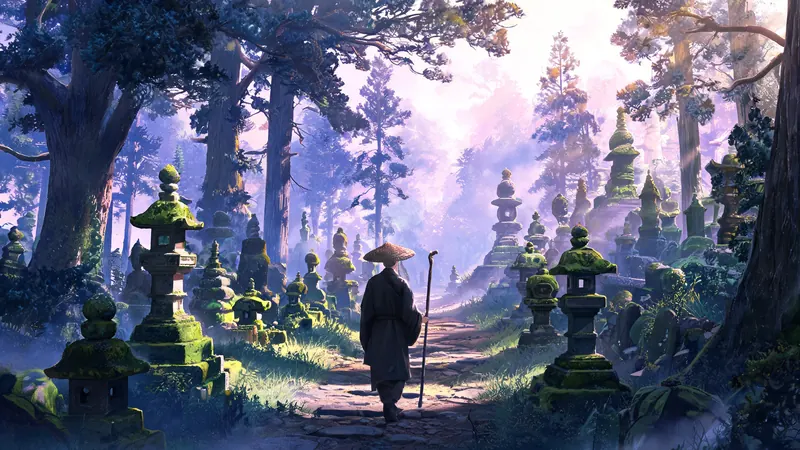
Shingon Buddhism and Kūkai: Japan's Esoteric Path in Plain English
Shingon Buddhism explained by a Japanologist and Shingon practitioner and researcher: the life of Kūkai (Kōbō Daishi), the 'true word,' Dainichi Nyorai and the two mandalas, the three mysteries, Kōyasan and Tō-ji, and the Shikoku pilgrimage. By Dr. Mark Hosak.

Kumano Kodo: The Spiritual Pilgrimage Beyond the Hiking Guide
The Kumano Kodo as a sacred pilgrimage: the three grand shrines of Kumano and their buddhas, emperors who walked it dozens of times, the three-legged crow, Nachi Falls, the monks who sailed toward Kannon's paradise, and why Kumano welcomed everyone. By Dr. Mark Hosak.

Kappa: The Water Yokai Explained
The kappa explained by a Japanologist: what it looks like and why, the bowing trick, cucumbers and sumo, its regional names, the legend of its arrival from China, kappa relics and warning signs, and where to meet kappa in Japan today.

Torii Gates: Meaning, Colors and How to Pass Through One
What a torii gate means, where the name may come from, the two main styles and their variants, why many are vermilion and others plain wood or stone, torii at Buddhist temples, the floating torii of Miyajima, and how to pass through one respectfully.
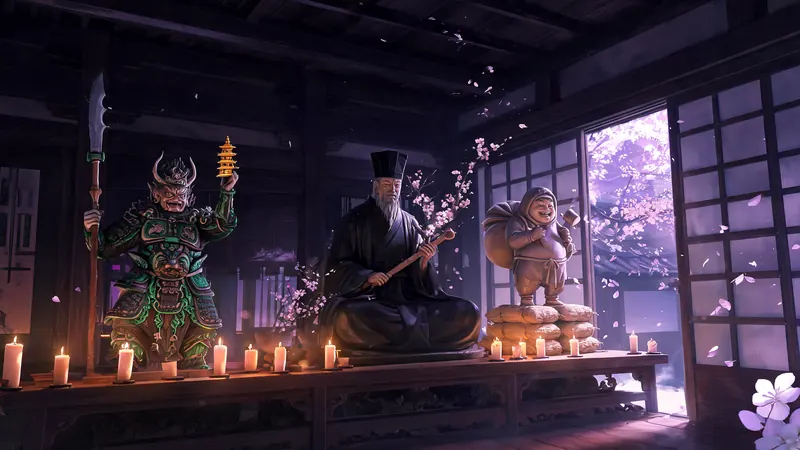
Noragami's Gods Explained: Yato, Bishamonten and Tenjin in Real Japanese Belief
The real figures behind Noragami: why a forgotten kami fades, the five-yen offering, Bishamonten the armored guardian of the north, Tenjin the scholar who became a kami, Ebisu and Daikokuten among the seven beings of good fortune, and the god of poverty.
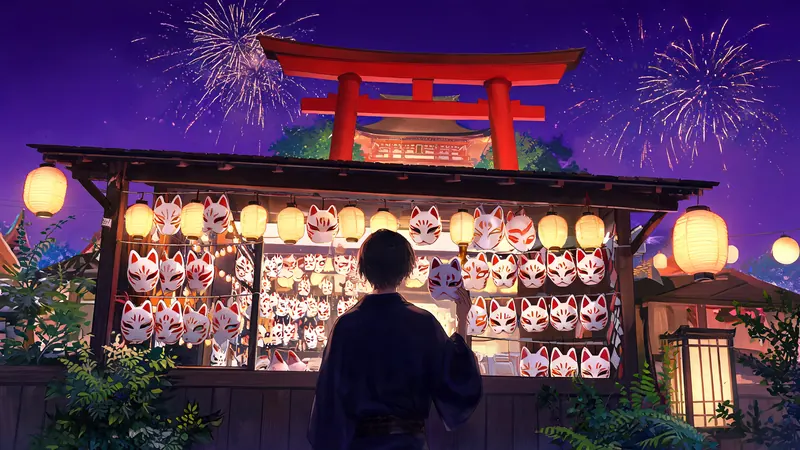
Kitsune Masks: Meaning and Use at Shrines and Festivals
What a kitsune mask means: foxes as messengers of Inari, the fox weddings of Tsugawa, the New Year's Eve fox parade of Ōji, kyōgen theater, festival mask stalls, and the fox masks in Demon Slayer. By Japanologist Dr. Mark Hosak.
The Energy Between Your Hands
A short practice from the Japanese tradition, free as a PDF: two minutes, breath and hands, no experience needed. After that, a few letters from me about the real tradition behind the anime.
Free. Unsubscribe anytime. Privacy policy