Esoteric Japan
Mountain ascetics, court diviners, paper talismans and the secret teachings of Shingon. The spiritual traditions that Japan's stories keep drawing from.
The character 密 (mitsu) means secret, or dense, or intimate. It's the first half of mikkyō, the esoteric Buddhism that Kūkai brought from China to Japan in the early ninth century and that lives on in the Shingon school. I spent about three years researching its art, architecture and rituals at Kyoto University, and I still practice it.
Esoteric Japan is bigger than one school, though. In Japan the old is rarely thrown away when something new arrives. It lives on next to it and slowly blends in. So you find Shingon next to Shintō, the mountain practice of Shugendō, the court diviners of onmyōdō with their roots in Chinese Daoism, and a whole world of amulets, talismans and purification rites that ordinary people use every day.
This section explains where these traditions come from and what they mean. How to practice them is a different matter, and that part is passed on in person.
The traditions behind the magic
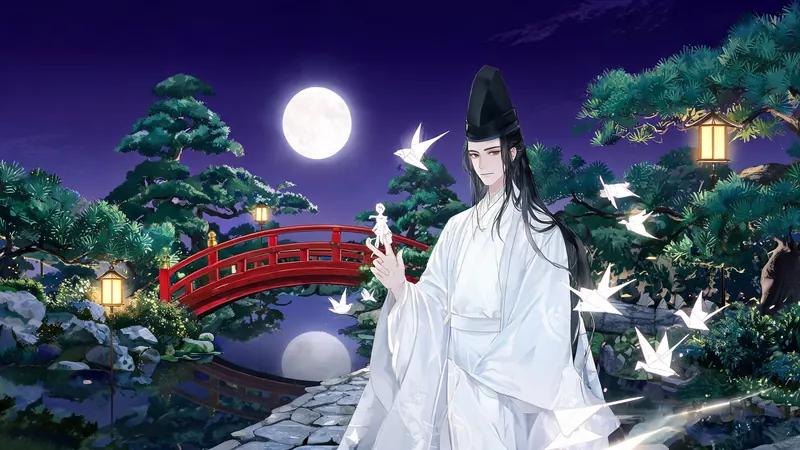
Onmyōdō and Abe no Seimei: Japan's Real Yin-Yang Masters
What onmyōdō really was: the yin-yang bureau of the Heian court, the historical Abe no Seimei (921–1005), shikigami, the pentagram of Seimei Shrine, and the fox mother Kuzunoha. By Japanologist Dr. Mark Hosak.
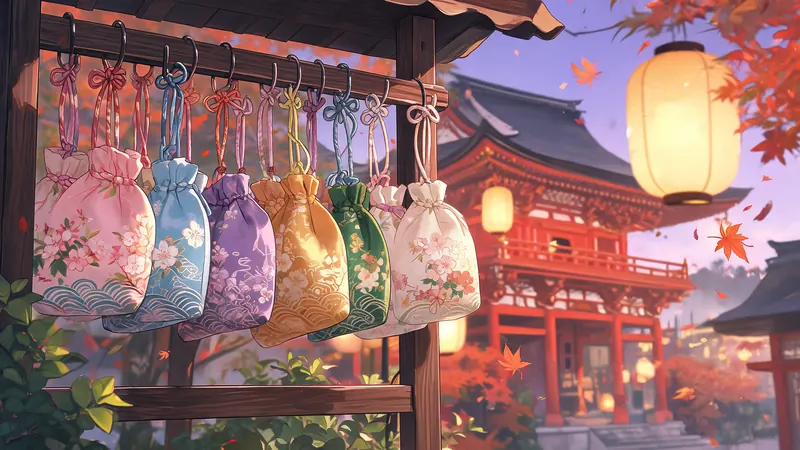
Omamori: How Japanese Amulets Work and How to Treat Them
What an omamori is, what's inside the pouch, the different kinds (traffic safety, exams, love, protection), the birth-year buddhas of Shingon temples, and how to treat and return an omamori. By Japanologist Dr. Mark Hosak.
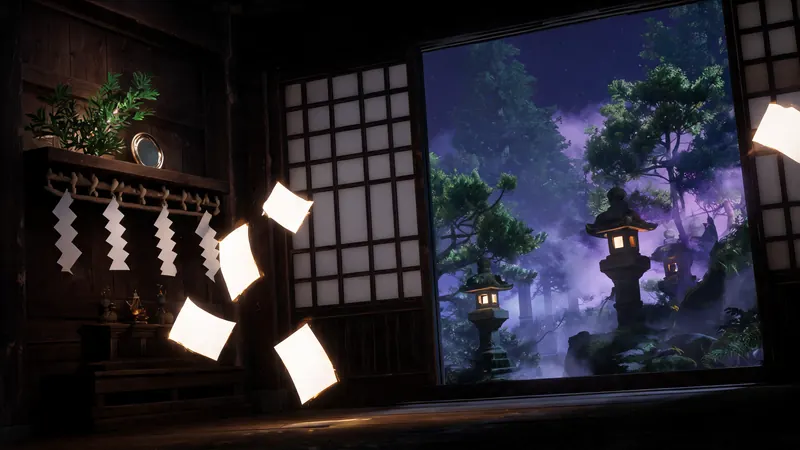
Ofuda and Japanese Talismans: Paper Protection from Shrines and Temples
What ofuda are, how Japanese paper talismans developed from Daoist charms, the crow talismans of Kumano, the Sominsōrai and Tsuno Daishi charms, and how ofuda are kept and returned. By Japanologist Dr. Mark Hosak.

Misogi: The Real Shinto Purification Behind the "Misogi Challenge"
What misogi really is: the myth of Izanagi's purification, kegare and harae, misogi under waterfalls and in the sea, the everyday version at every shrine, and how the 'misogi challenge' borrowed the word. By Dr. Mark Hosak.

Shugendō and the Yamabushi: Japan's Mountain Mystics
Shugendō explained by a Japanologist and practitioner: En no Gyōja, the mountains as living mandalas, the yamabushi's clothing and tools, Ōmine, Kumano and Dewa Sanzan, the Meiji ban, and Shugendō's link to Kuji Kiri. By Dr. Mark Hosak.

Shingon Buddhism and Kūkai: Japan's Esoteric Path in Plain English
Shingon Buddhism explained by a Japanologist and Shingon practitioner and researcher: the life of Kūkai (Kōbō Daishi), the 'true word,' Dainichi Nyorai and the two mandalas, the three mysteries, Kōyasan and Tō-ji, and the Shikoku pilgrimage. By Dr. Mark Hosak.
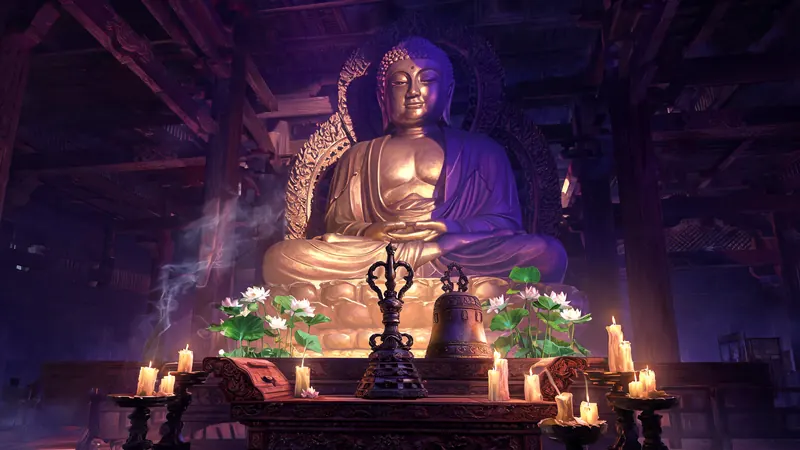
Mudras in Japanese Esoteric Buddhism: The Hand Seals Behind Kuji-in
What mudras mean in Japanese esoteric Buddhism (mikkyō): the 'in' or hand seal, the five elements in the fingers, how to read the hands of buddha statues in Nara, Kamakura and Kyoto, and how the mudras connect to Kuji-in. By Dr. Mark Hosak.

Kumano Kodo: The Spiritual Pilgrimage Beyond the Hiking Guide
The Kumano Kodo as a sacred pilgrimage: the three grand shrines of Kumano and their buddhas, emperors who walked it dozens of times, the three-legged crow, Nachi Falls, the monks who sailed toward Kannon's paradise, and why Kumano welcomed everyone. By Dr. Mark Hosak.
The Japanese Grimoire Society
In the Japanese Grimoire Society we work with these traditions in practice, with the original sources at hand. You can start with a free trial.
Have a look inside