Sacred Places
Shrines, temples, waterfalls and mountains, and why the Japanese have treated them as sacred for over a thousand years.
Most travel guides tell you how to get to a shrine, when it opens and where to buy the best snacks nearby. That's useful. This section looks at the same places from another angle: why they became sacred, which kami or buddhas are present there, and what people have done there for centuries.
I lived in Kyoto for about three years and spent a lot of that time in temples. I also walked the full Shikoku pilgrimage on foot, all 88 temples, after giving up at Temple 24 on my first try. So some of these places I know quite well, including the parts where your feet hurt.
The places mentioned in the other sections show up here too, Mount Kurama with its tengu, or Fushimi Inari with its foxes, so this section will grow as the rest of the grimoire grows.
Places of power
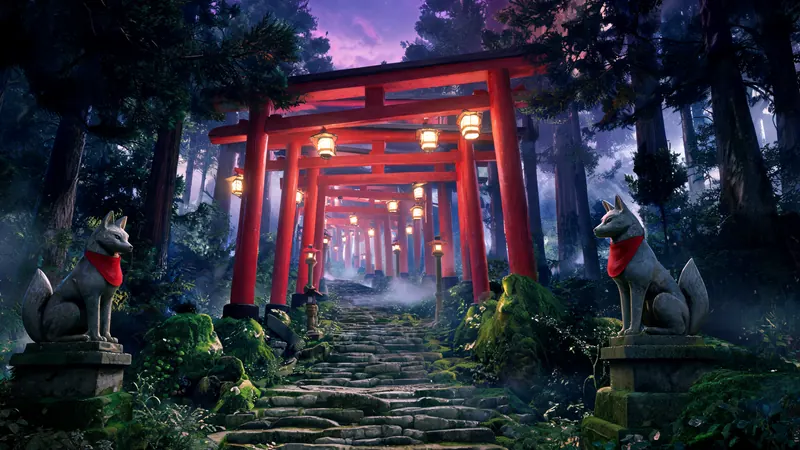
Fushimi Inari: The Spiritual Meaning Behind 10,000 Torii
Fushimi Inari Taisha beyond the travel guide: the founding legend of 711, why there are about 10,000 torii and who donates them, the fox messengers, the stone mounds on Mount Inari and the shrine's link to Kūkai's Tō-ji. By Dr. Mark Hosak.
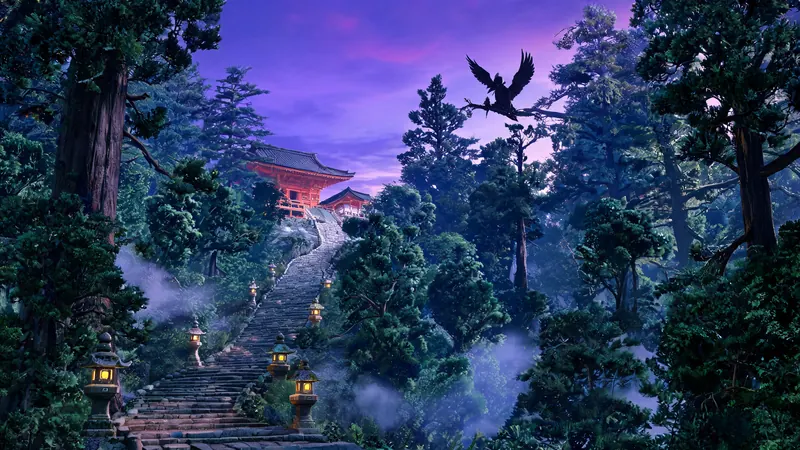
Mount Kurama: Tengu, Sōjōbō and the Mountain Behind Reiki
Mount Kurama north of Kyoto: why it's really a range, the founding visions of Kurama-dera, the three spirits Senju Kannon, Bishamonten and Maōson, Sōjōbō and Yoshitsune, Mikao Usui's 21 days on the mountain, and the Kurama Fire Festival. By Dr. Mark Hosak.
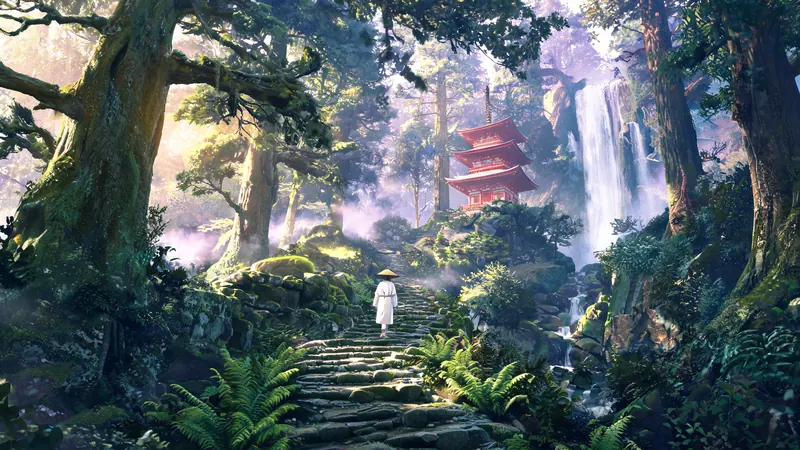
Kumano Kodo: The Spiritual Pilgrimage Beyond the Hiking Guide
The Kumano Kodo as a sacred pilgrimage: the three grand shrines of Kumano and their buddhas, emperors who walked it dozens of times, the three-legged crow, Nachi Falls, the monks who sailed toward Kannon's paradise, and why Kumano welcomed everyone. By Dr. Mark Hosak.
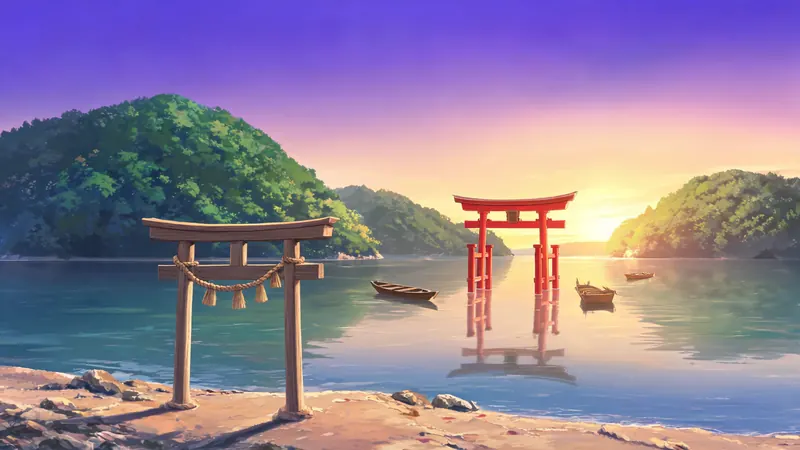
Torii Gates: Meaning, Colors and How to Pass Through One
What a torii gate means, where the name may come from, the two main styles and their variants, why many are vermilion and others plain wood or stone, torii at Buddhist temples, the floating torii of Miyajima, and how to pass through one respectfully.
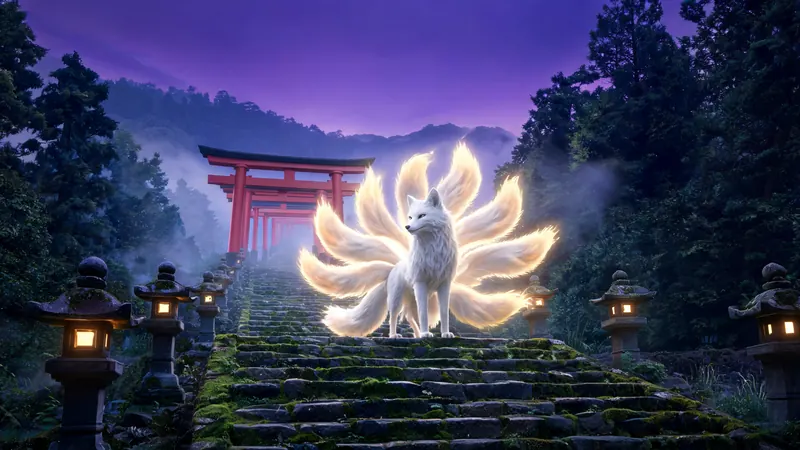
The Nine-Tailed Fox: Kitsune in Japanese Folklore and the Inari Faith
Kyūbi no kitsune, the nine-tailed fox: its Chinese origins, the legend of Tamamo-no-Mae and the Killing Stone of Nasu, and why the foxes at Inari shrines are messengers, not gods. By Japanologist Dr. Mark Hosak.
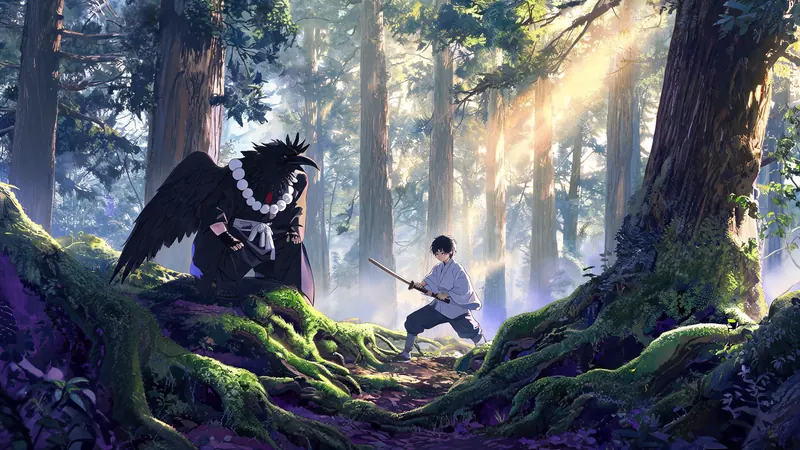
Tengu: Mountain Spirits, Yamabushi and the Masters of Mount Kurama
Tengu explained by a Japanologist: from the 'heavenly dog' of the Nihon Shoki to the crow tengu and the long-nosed daitengu, Sōjōbō of Mount Kurama, the young Yoshitsune, and why tengu dress like yamabushi.
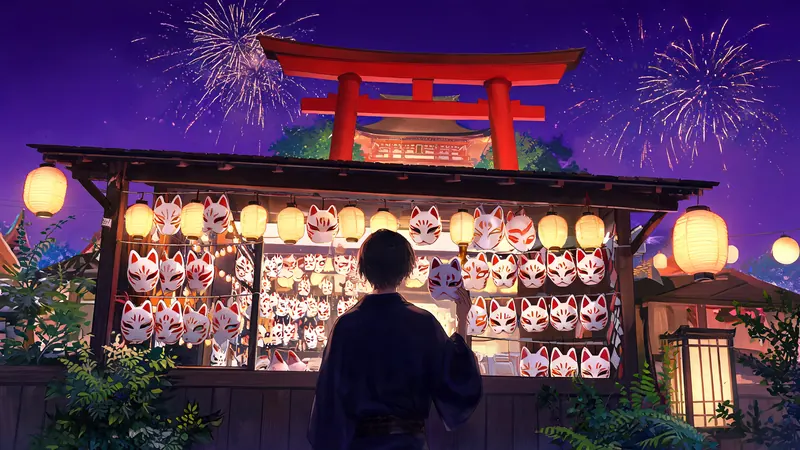
Kitsune Masks: Meaning and Use at Shrines and Festivals
What a kitsune mask means: foxes as messengers of Inari, the fox weddings of Tsugawa, the New Year's Eve fox parade of Ōji, kyōgen theater, festival mask stalls, and the fox masks in Demon Slayer. By Japanologist Dr. Mark Hosak.
The Energy Between Your Hands
If you'd like to hear about new articles on Japan's sacred places, and about the small-group trip to Japan in May 2027, leave your email. You'll get a short practice from the Japanese tradition as a free PDF.
Free. Unsubscribe anytime. Privacy policy