Kuji Kiri & Japanese Hand Seals
You've seen the hand signs in Naruto and Jujutsu Kaisen. Here's the tradition they came from.
Nine characters, 臨兵闘者皆陣列在前, nine hand positions and nine short mantras. That is the outer shape of Kuji Kiri, the practice of the nine seals. Most people in the West meet it on a screen first, usually as a ninja trick. In Japan it has a much longer and much stranger history.
The earliest sources come from China. Over the centuries the material reached Japan in several waves, through the constant exchange with the mainland, and Japan kept working on it for centuries more. What came out of that is a system you only find in Japan: a combination of Daoism, Japanese folk magic and the esoteric Buddhism of Shingon (mikkyō), carried along by the mountain ascetics of Shugendō and closely tied to Shintō.
In this section I write about that history, about the mudras of esoteric Buddhism, and about the hand signs you know from anime and what they actually point to. You won't find how-to instructions here. The practice itself is passed on in person, and that's where it belongs.
Articles on the nine seals

Kuji Kiri: The Nine Hand Seals and Where They Really Come From
Kuji Kiri and Kuji-in explained by a Japanologist: the nine characters 臨兵闘者皆陣列在前, their Chinese origins, how Japan turned them into its own system, and where the nine seals still live today.
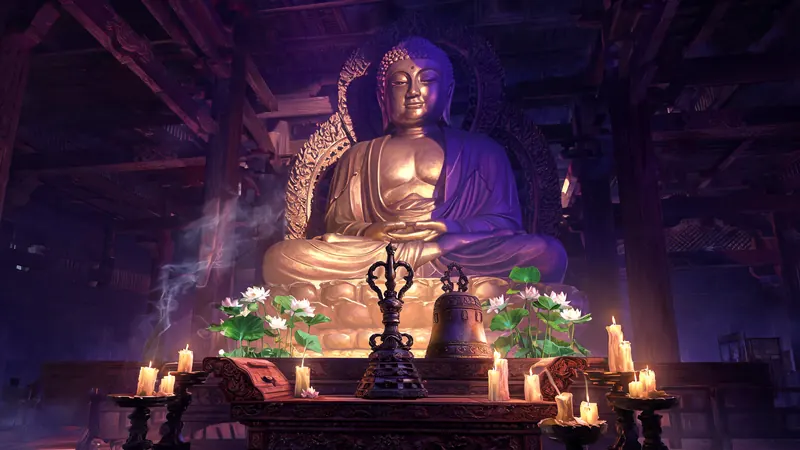
Mudras in Japanese Esoteric Buddhism: The Hand Seals Behind Kuji-in
What mudras mean in Japanese esoteric Buddhism (mikkyō): the 'in' or hand seal, the five elements in the fingers, how to read the hands of buddha statues in Nara, Kamakura and Kyoto, and how the mudras connect to Kuji-in. By Dr. Mark Hosak.
Are Naruto Hand Signs Real? The Kuji-in Behind the Jutsu
Naruto's twelve hand signs are named after the Chinese zodiac. The real Japanese tradition has nine seals, the Kuji-in. A Japanologist explains what's invented, what's real, and the Edo-period legend hiding in the cast.
Jujutsu Kaisen's Domain Expansion Hand Signs and the Real Mudras Behind Them
Gojo, Sukuna, Megumi and Jogo: fans link the Domain Expansion hand signs in Jujutsu Kaisen to real mudras of Japanese esoteric Buddhism. A Japanologist explains Taishakuten, Enmaten, the Medicine Buddha and the real Ryōmen Sukuna.
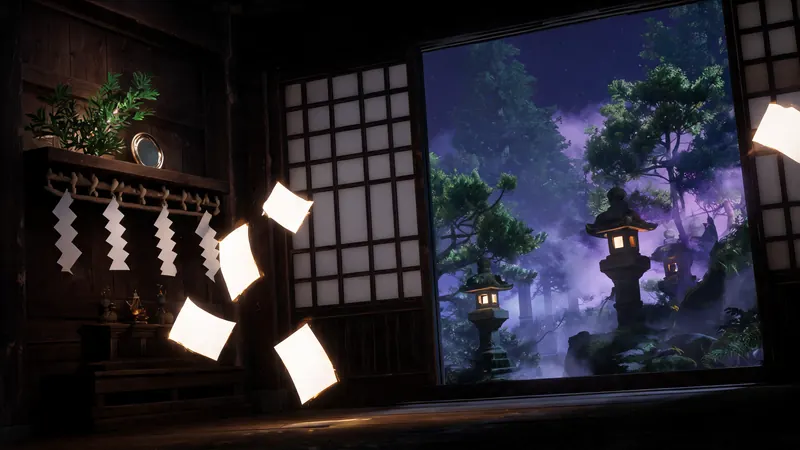
Ofuda and Japanese Talismans: Paper Protection from Shrines and Temples
What ofuda are, how Japanese paper talismans developed from Daoist charms, the crow talismans of Kumano, the Sominsōrai and Tsuno Daishi charms, and how ofuda are kept and returned. By Japanologist Dr. Mark Hosak.

Shugendō and the Yamabushi: Japan's Mountain Mystics
Shugendō explained by a Japanologist and practitioner: En no Gyōja, the mountains as living mandalas, the yamabushi's clothing and tools, Ōmine, Kumano and Dewa Sanzan, the Meiji ban, and Shugendō's link to Kuji Kiri. By Dr. Mark Hosak.
The Japanese Grimoire Society
Inside the Japanese Grimoire Society we go further into the nine seals, the sources and the spirits behind them. You can start with a free trial and look around first.
Have a look inside