Yokai & Kami
The spirits of Japan, from the nine-tailed fox to the long-nosed tengu, and what they really meant to the people who told their stories.
Japan has a word for the strange things that happen at the edge of the village: yōkai (妖怪). And it has a word for the powers people worship at shrines: kami (神). The line between the two isn't always clear. A fox can be a trickster in one story and the messenger of a kami in the next, and the tengu of the mountains started out as dangerous beings and ended up as protectors.
In this section I go through the spirits one by one. Where did the stories come from? How did the old picture scrolls and woodblock masters show them? And where can you still see them in Japan today, carved in stone at a shrine, painted on a festival mask, or sold as a little charm?
The illustrations on these pages are original artwork that follows the traditional Japanese ways of depicting each being.
Spirits, monsters and messengers
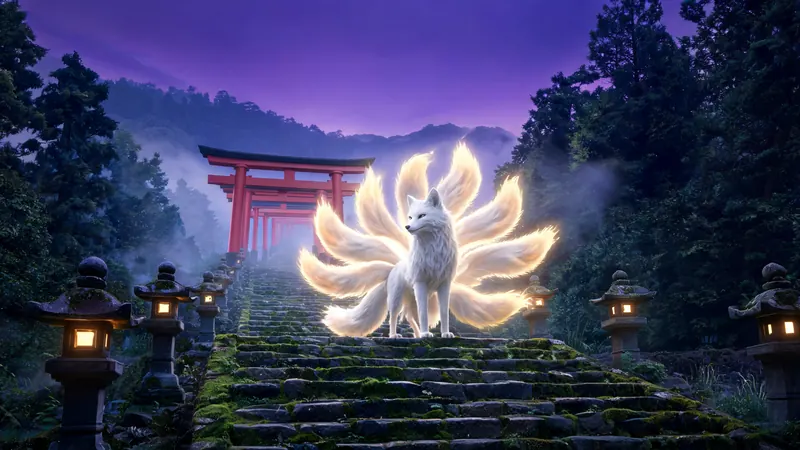
The Nine-Tailed Fox: Kitsune in Japanese Folklore and the Inari Faith
Kyūbi no kitsune, the nine-tailed fox: its Chinese origins, the legend of Tamamo-no-Mae and the Killing Stone of Nasu, and why the foxes at Inari shrines are messengers, not gods. By Japanologist Dr. Mark Hosak.
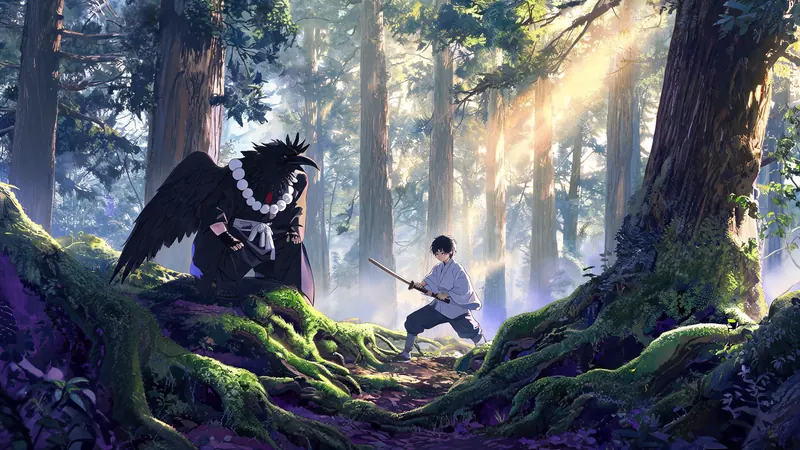
Tengu: Mountain Spirits, Yamabushi and the Masters of Mount Kurama
Tengu explained by a Japanologist: from the 'heavenly dog' of the Nihon Shoki to the crow tengu and the long-nosed daitengu, Sōjōbō of Mount Kurama, the young Yoshitsune, and why tengu dress like yamabushi.
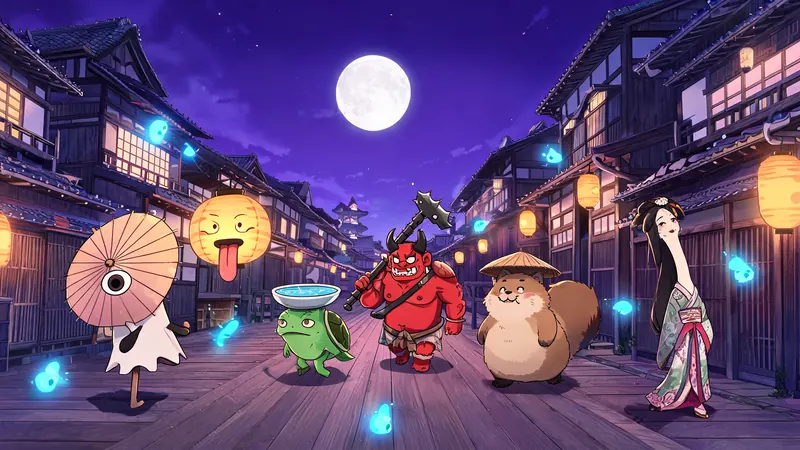
Yokai List: 24 Japanese Spirits and What They Really Mean
A Japanologist's yokai list: kitsune, tanuki, kappa, tengu, oni, yuki-onna, rokurokubi, tsukumogami and more. Where each Japanese spirit comes from, what it meant, and where you can still find it today.
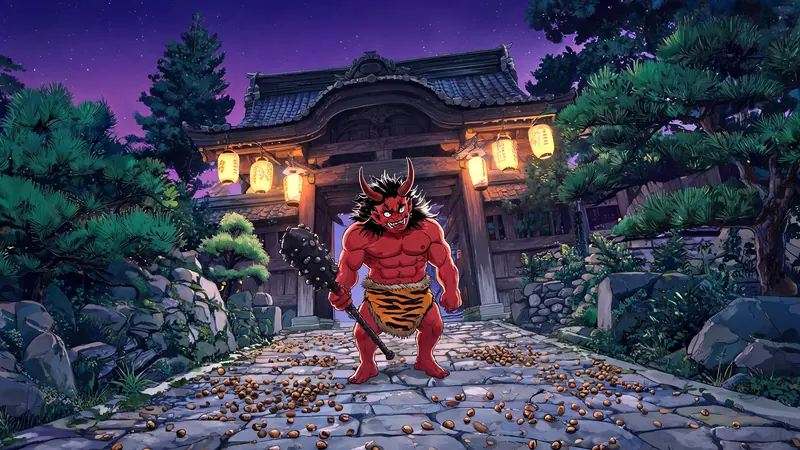
Oni: Japan's Demons from Folklore to Setsubun
Oni explained by a Japanologist: the 'hidden ones' of early Japan, the demon gate, Shuten-dōji and Ibaraki-dōji, the oni of Momotarō and Kibitsu Shrine, Hannya masks, Namahage, and the temple that shouts 'demons in' at Setsubun.
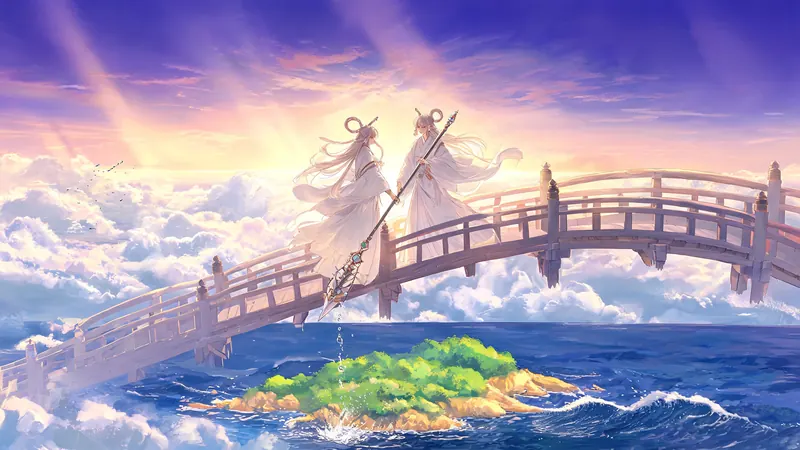
Japanese Mythology: A Beginner's Map of Gods, Spirits and Sacred Stories
A beginner's guide to Japanese mythology: the Kojiki and Nihon Shoki, Izanagi and Izanami, Amaterasu and Susanoo, the Izumo myths and the white hare, the descent of Ninigi, the eight million kami, and how kami and buddhas came together. By Dr. Mark Hosak.
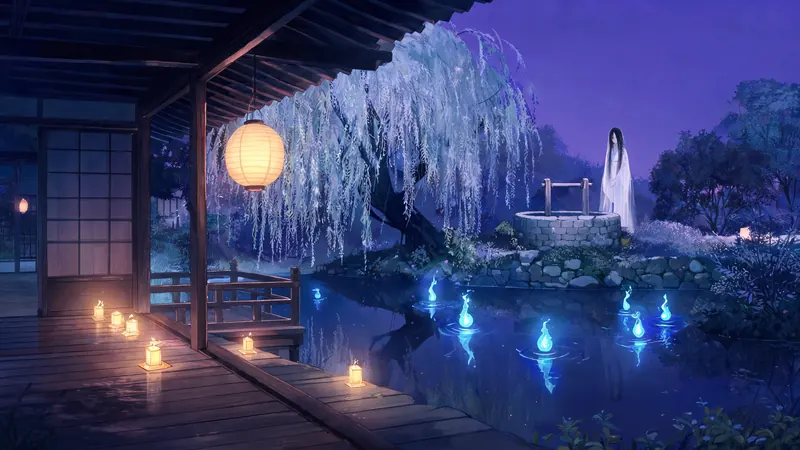
Japanese Ghost Stories and Urban Legends, and What They Reveal
Yūrei, kaidan and urban legends of Japan: why Japanese ghosts wear white and have no feet, the great classic ghost stories of Oiwa, Okiku and the Peony Lantern, vengeful spirits who became kami, and modern legends from Kuchisake-onna to Kisaragi Station.
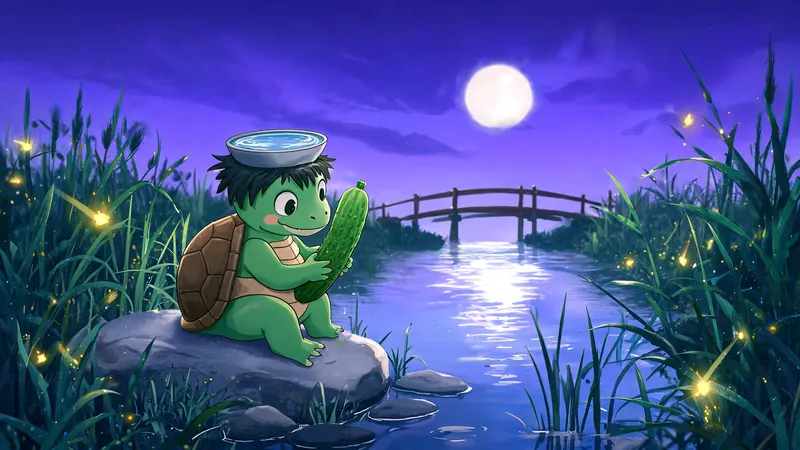
Kappa: The Water Yokai Explained
The kappa explained by a Japanologist: what it looks like and why, the bowing trick, cucumbers and sumo, its regional names, the legend of its arrival from China, kappa relics and warning signs, and where to meet kappa in Japan today.
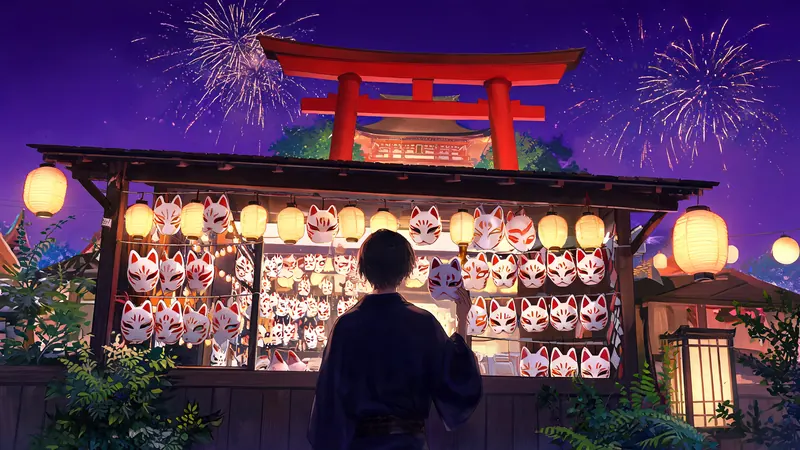
Kitsune Masks: Meaning and Use at Shrines and Festivals
What a kitsune mask means: foxes as messengers of Inari, the fox weddings of Tsugawa, the New Year's Eve fox parade of Ōji, kyōgen theater, festival mask stalls, and the fox masks in Demon Slayer. By Japanologist Dr. Mark Hosak.
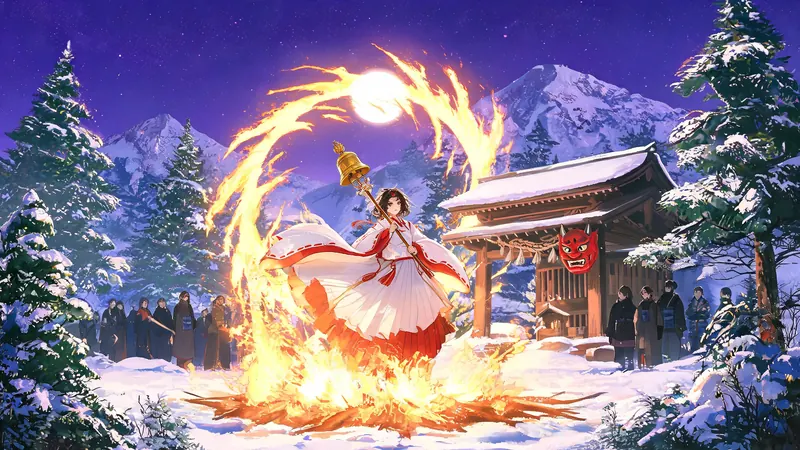
Demon Slayer's Real Japan: Hinokami Kagura, Hanafuda Earrings and Oni Lore
The real Japan behind Demon Slayer: kagura dances for the kami, the hearth kami behind the name Kamado, hanafuda cards, why oni have horns and tiger-skin loincloths, and the real sword that is said to have cut a demon. By Dr. Mark Hosak.
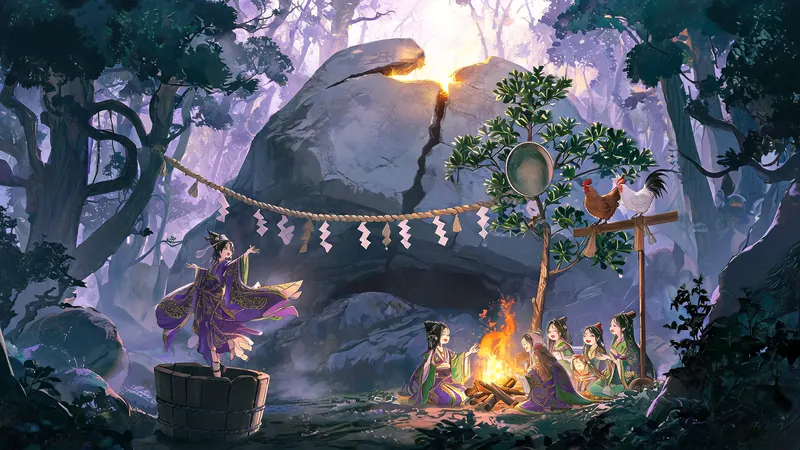
Amaterasu and Susanoo: The Real Kami Behind Naruto's Most Famous Jutsu
The real Amaterasu, Tsukuyomi and Susanoo from the Kojiki and Nihon Shoki: the birth of the three kami, the sun hiding in the rock cave, Susanoo and the eight-headed serpent, the sword Kusanagi, and the Totsuka sword and Yata mirror in Naruto. By Dr. Mark Hosak.
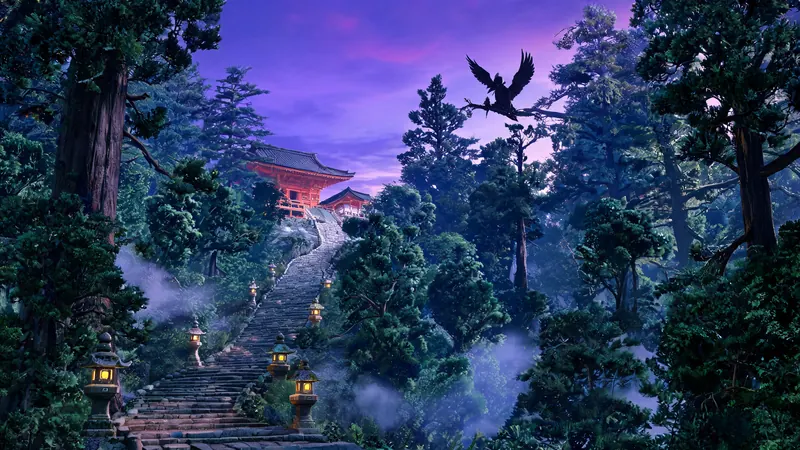
Mount Kurama: Tengu, Sōjōbō and the Mountain Behind Reiki
Mount Kurama north of Kyoto: why it's really a range, the founding visions of Kurama-dera, the three spirits Senju Kannon, Bishamonten and Maōson, Sōjōbō and Yoshitsune, Mikao Usui's 21 days on the mountain, and the Kurama Fire Festival. By Dr. Mark Hosak.
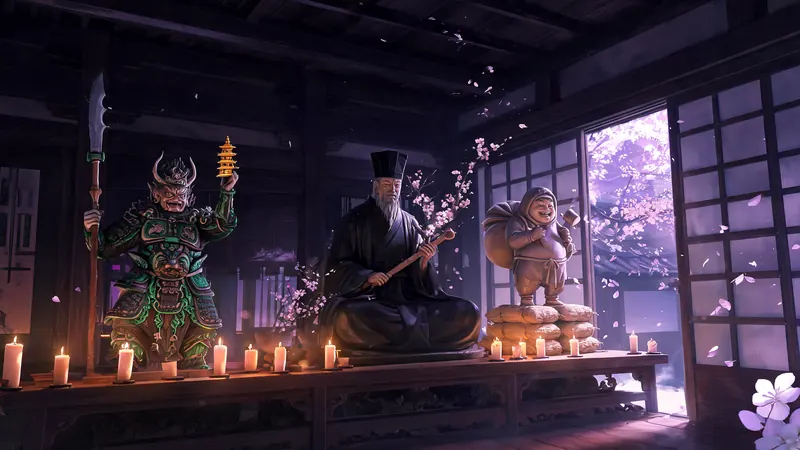
Noragami's Gods Explained: Yato, Bishamonten and Tenjin in Real Japanese Belief
The real figures behind Noragami: why a forgotten kami fades, the five-yen offering, Bishamonten the armored guardian of the north, Tenjin the scholar who became a kami, Ebisu and Daikokuten among the seven beings of good fortune, and the god of poverty.
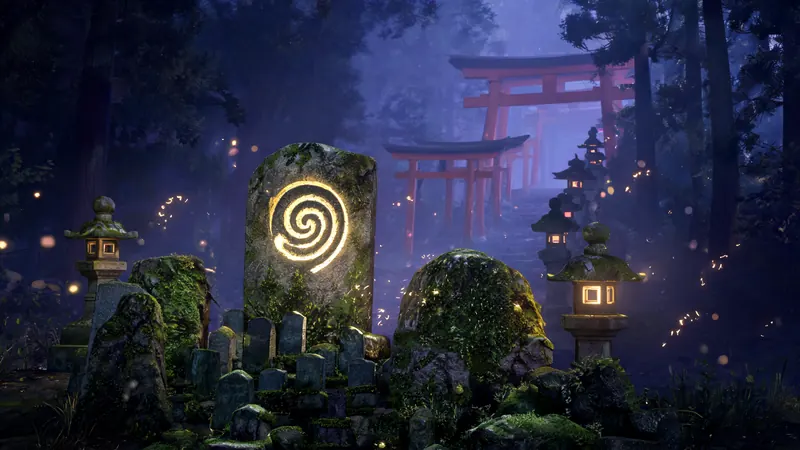
The Spiral in the Kanji for Kami, and the Seal on Naruto's Belly
Why is there a spiral on Naruto's belly? A Japanologist looks at the Eight Trigrams Seal, the old way of writing 神 (kami) with a spiral on stone steles at Fushimi Inari, and why a spiral alone isn't enough to hold a power steady.
The Energy Between Your Hands
New spirits are added here regularly. Leave your email and you'll hear about them, plus a short practice from the Japanese tradition as a free PDF.
Free. Unsubscribe anytime. Privacy policy